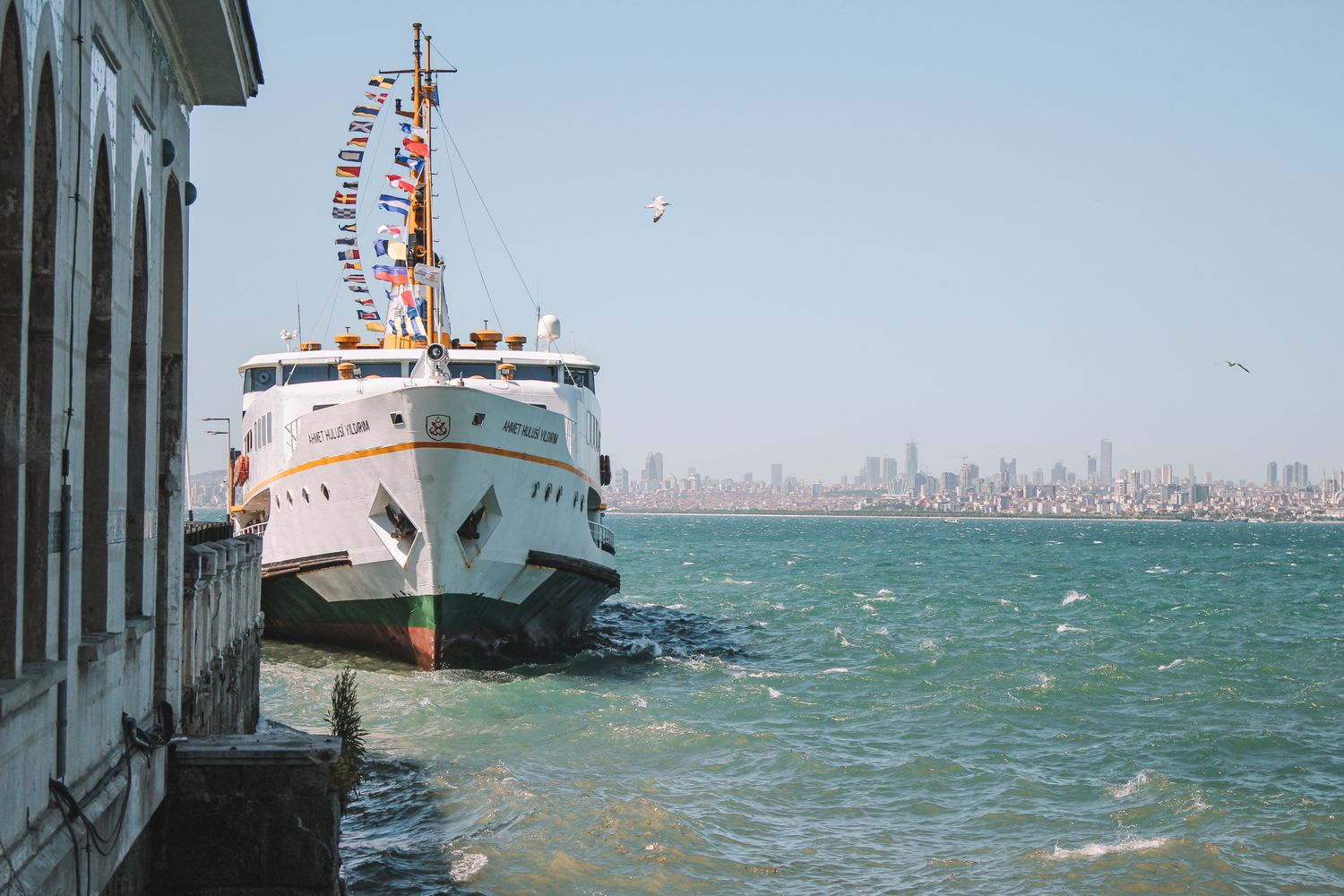
Begin with the purpose of the call
Before discussing a timetable, describe the outcome. Is the vessel arriving to discharge cargo, load an export parcel, receive provisions, change crew or attend to a technical issue? Several objectives may sit within one visit. Recording them together makes it easier to see which activities depend on one another and which can be prepared independently.
A cargo call with a simultaneous spares delivery is a good example. The cargo team may be focused on completion, while the technical team is waiting for a component. If the delivery is not visible in the departure conversation, one team can believe the call is finished while another still has an essential requirement outstanding. The planning brief should therefore cover the vessel, cargo and people in one place.
Name the port and terminal precisely
Port Harcourt is the commercial city in the brief, while individual marine movements concern a particular port, terminal or facility. Rivers Port and Onne Port Complex are separately described by the Nigerian Ports Authority. A city name alone is not enough to confirm where a vessel will berth or where a supplier should deliver.
Use the nominated facility name and confirm the receiving arrangements with the appointed parties. This helps prevent a simple geographic assumption from becoming a costly transport decision. The city-level satellite map on this site is useful for orientation; it is not a company office pin, a berth allocation or a navigation chart.
Turn uncertainty into an organised list
Early information is often incomplete. Rather than allowing missing details to disappear into an email thread, keep a short register: the question, the responsible contact, the required decision and the latest useful time for an answer. A changing arrival estimate is manageable when its impact is understood. An unanswered cargo question is harder to manage when nobody knows who owns it.
Separate forecasts from confirmations. An expected arrival, a provisional service slot and a confirmed delivery are different kinds of information. Updates should make that difference visible. This discipline improves the quality of planning without pretending that weather, traffic, cargo progress or third-party availability can be controlled by a website or a single service provider.
Prepare a brief that others can act on
A practical brief includes vessel name and IMO number, principal contact, arrival estimate, intended facility, cargo description and requested services. Explain any unusual dimensions, time-sensitive supplies, crew movements or technical attendance. Attach clear supporting material where appropriate, and identify who can approve changes to the scope.
Avoid sending sensitive crew or commercial documents through a public enquiry form. Start with an outline and agree a suitable document channel with operations. The aim of the first message is to establish a clear conversation, not to collect every possible record before anyone has understood the assignment.
Plan the handover before departure
Completion is easier to recognise when the required evidence is agreed in advance. A supply assignment may close with delivery acknowledgement; a cargo movement may require terminal and transport records; a technical attendance may need a specialist report. Decide what closes each item and which outstanding matters must be carried forward.
The final handover should tell the next team what happened, what remains open and where the relevant records are held. That is how a port call becomes part of an organised voyage rather than an isolated collection of transactions. Good coordination leaves the vessel and its shore team with a usable operational memory.