Define the assignment before the service list
Describe the vessel, operating purpose, intended location and requested support. Is the requirement agency coordination for a tanker, supplies for a support vessel, crew husbandry or delivery of a technical component? Identifying the purpose helps the operations team understand which interfaces and specialist parties may be relevant.
The wider energy context does not automatically establish permission to operate at a facility or suitability for a cargo. Terminal acceptance, vessel compatibility and any applicable authorisations must be confirmed by the responsible parties. The website is a starting point for that conversation, not a substitute for the approval process.
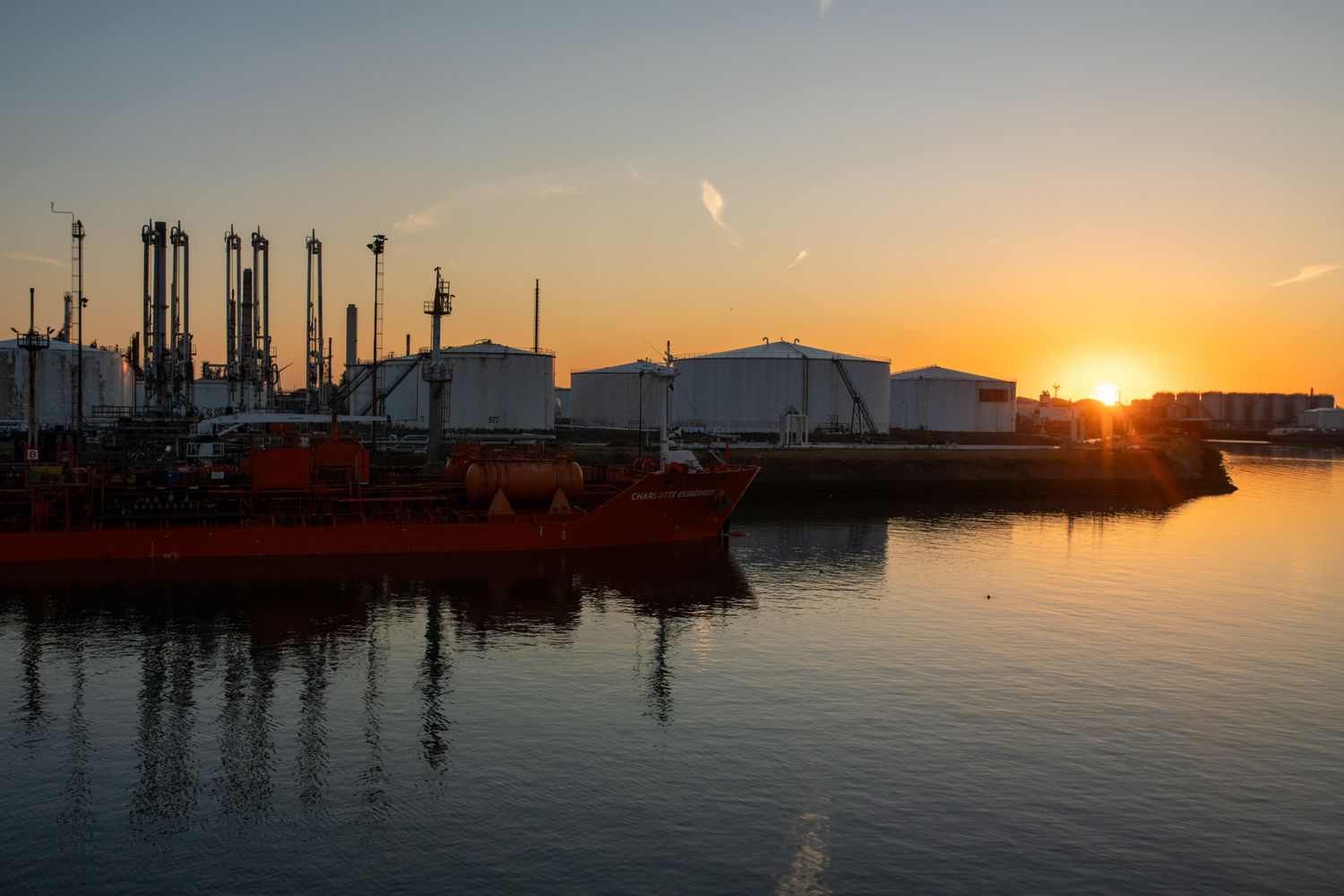
Tanker and liquid-cargo calls require specialised coordination
Liquid cargo is handled through a dedicated vessel–terminal interface rather than the crane-and-yard picture associated with containers. The nature of the product, documentation, facility conditions and the approved operating arrangements shape the discussion.
This page describes the need for coordination without providing transfer instructions, operating limits or cargo-handling procedures. Those belong to the qualified vessel, terminal and service professionals. A useful local support brief identifies the correct technical and commercial contacts and the documents required for their decisions.
Support vessels have their own working pattern
An offshore or marine-support vessel may need provisions, fresh water, spares, crew movements or technical attendance around its operating schedule. The practical window can depend on the assignment and location, so a generic port-call timetable may be inappropriate.
Supply, travel and access arrangements should reflect the current vessel position and the actual receiving opportunity. If a requirement is urgent, explain why and identify the person authorised to prioritise it. The coordinating team can then discuss what can be arranged and what remains dependent on confirmation.
Prepare a scope that specialists can use
Provide vessel particulars, cargo or service description, intended location, arrival estimate and the relevant owner/operator contacts. Include any facility-specific requirements already communicated to your team. Clearly distinguish a confirmed instruction from a request for feasibility or pricing.
A strong brief avoids assumptions about restricted access, equipment compatibility or specialist availability. Where the details are still developing, list the open questions. That is often more useful than a broad request for “everything” because it lets the parties identify the critical decisions first.
Why choose disciplined coordination
Energy-related marine support benefits from a clear allocation of responsibility, practical documentation and a shared understanding of the assignment. The AnchorVoyage approach connects that conversation to the wider service range: agency, husbandry, supplies, technical coordination and cargo logistics.
The reason to choose support should be the quality of the agreed scope and communication, backed by company-approved evidence of capability. This concept makes no unsupported claims of facility approvals, offshore certifications or guaranteed response times. Discuss your particular vessel and requirement so that suitability can be confirmed.
Your initial enquiry checklist
- Vessel type, particulars and operating purpose
- Cargo/service description and intended location
- Relevant facility correspondence and requirements
- Schedule and critical operational constraints
- Owner/operator technical and commercial contacts
Questions, answered.
Are oil tankers handled like container vessels?
No. Liquid-cargo activity has a specialised vessel–terminal interface and must follow the appropriate approved arrangements.
Does this page establish approval to work at a particular facility?
No. Scope, competence, access and facility permissions need specific confirmation.